











Single-Stage vs Two-Stage Snow Blowers: Which One Should You Buy?

Media: Men’s Journal
Link: Single-Stage vs Two-Stage Snow Blowers: Which One Should You Buy?
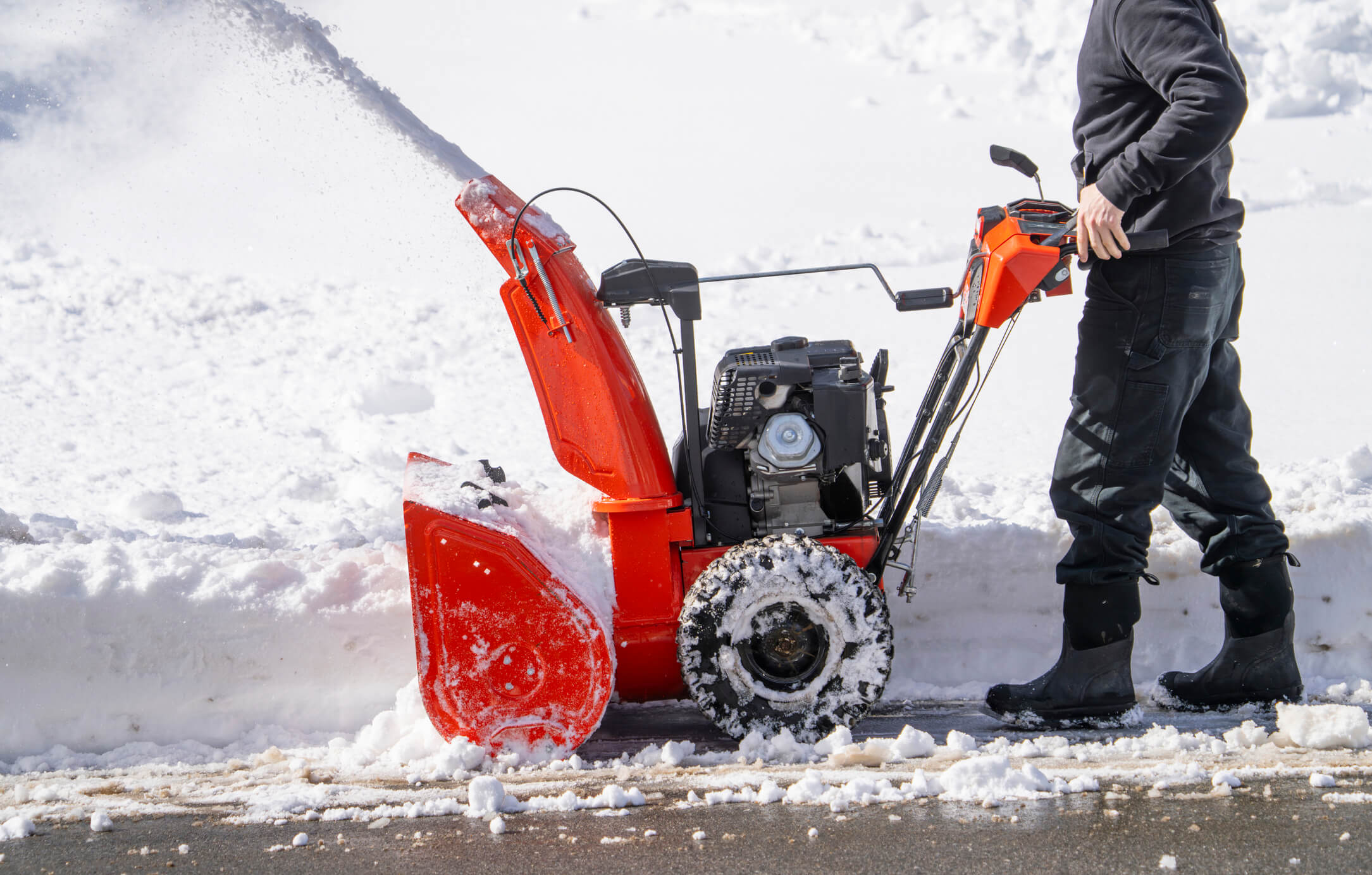
With colder weather comes icy walkways that need de-icing and plenty of home maintenance and winterization projects. But no winter chore is worse than shoveling, even more so if you have to do it while your neighbor uses a snow blower. If you’ve reached the point where you’re ready to invest in a snow-removal machine yourself, congrats! Toss that shovel in the trash and don’t look back. The key factor to consider when buying a snow blower is its stage, meaning the number of steps it takes the machine to remove the snow. There are single-stage, two-stage, and even three-stage snow blowers. The higher the stage, the better the product’s blowing snow capabilities are. Here’s everything you need to know about single-stage vs two-stage snow blowers.
Single Stage vs Two Stage Snow Blowers: What’s the Difference?
Single-Stage Snow Blowers
A single-stage machine can clear snow piles that are up to nine inches deep and create paths up to 22 inches wide, depending on the model. They are a strong choice for flat, paved driveways and straight sidewalks.
Two-Stage Snow Blowers
Double-stage snow blowers are more powerful and wider than single-stage models, making them an excellent choice for most homeowners. They perform well on uneven gravel pathways and driveways with some sloping. Depending on the model, they can clear snow piles that are up to 16 inches deep and create paths up to 30 inches wide. Joe Palumbo, president of Ice Dam Guys, LLC, says, “Generally speaking, a single-stage snow blower will be more affordable or a more entry-level model than a two-stage snow blower.”
How Each Type Works (Auger-Driven vs Auger + Impeller)
Single-stage snow blowers use a spinning auger to collect and dispose of the snow in a single pass, making them ideal for moderate snow and paved and even surfaces. Palumbo explains that single-stage snow blowers “work well if you have lighter snow (aka champagne powder) or lower volume (a couple of inches per storm).”
Two-stage blowers have a spinning auger and an impeller that scoops the snow and then blow it farther away. They perform extremely well on all kinds of surfaces: flat, uneven, paved, and unpaved. “Two-stage blowers can handle heavier snow and more of it. This is because the auger is controlled by one step, and the separate impeller throws the snow independently of the auger. This separation allows each step to have more power, enabling the machine to handle greater volume and weight,” Palumbo notes.
Key Performance Differences
The most significant differences between single- and two-stage snow blowers are their clearing and disposal capabilities per pass. Single-stage units are smaller and less powerful; therefore, they cover less ground and remove snow at a slower pace than two-stage snow blowers.
Which Conditions Each Type Is Built For
Single-stage blowers are designed for light snow, flat, paved surfaces, and up to nine inches of snow. On the other hand, two-stage snow blower benefits include more power and higher snow-clearing capabilities. They work well in heavy and wet snow and on paved and gravel surfaces, and can tackle up to 16 inches of snow.
Pros and Cons of Each Type of Snow Blower
Single-Stage
Pros
- Reasonable price
- Perfect for flat paved surfaces
- Compact
Cons
- Don’t work as well with heavy/wet snow
- Not ideal for uneven and gravel surfaces
Two-Stage
Pros
- Powerful
- Works on all kinds of surfaces (paved, unpaved, gravel)
- Self-propelled
Cons
- Expensive
- Heavier and bulkier
How to Choose the Right Snow Blower for Your Home
There are many factors to consider when choosing the right snow blower for your home. Each factor will help you make an informed decision about which machine best suits your needs.
Consider Your Typical Snowfall
Start by determining how much snow your region receives each winter. More likely than not, you know more or less how much snow to expect each year where you live. If you typically get light to moderate snowfall, a single-stage snow blower will do the job, but if you get heavier, more consistent snow, a two-stage model is the way to go.
Driveway Size and Terrain
This is one of the most important factors to consider. For a short to medium-sized flat paved driveway, a single-stage snow blower is more than sufficient to help you clear the snow. However, if you have a long, gravel, or uneven driveway, a two-stage snow blower works best on these surfaces. Palumbo emphasizes that “a two-stage process is also safer for gravel or rock driveways because it’s less likely to scoop up rocks than a single-stage process.”
Storage Space and Physical Handling Needs
By design, single-stage snow blowers are more compact and lighter than two-stage models. They use less space and are relatively easy to use. However, two-stage snow blowers, even though they are bigger, are usually self-propelled, meaning they don’t need to be physically pushed to move forward; you just need to maneuver them. Regardless of the type of machine you pick, you need to have space to store them year-round.
Gas vs Electric Snow Blowers
What you choose comes down to your preferences and budget. Gas snow blowers have long been the go-to choice for homeowners and professional snow removal companies. They can run for longer periods of time during a snowstorm and are more reliable, but require more upkeep. However, over the last several years, battery-operated snow blowers have become more popular among homeowners for their ease of use, low emissions, and maintenance-free features. These days electric models offer almost the same power and capabilities as gas ones.
When a Three-Stage Snow Blower Makes Sense
Three-stage snow blowers are available only in gas models and are the most powerful and largest of all. They can clear tall piles of snow up to 18 inches deep or more and remove piles that are up to 30 inches wide per pass. Three-stage models work well across all terrain types, including flat and sloped surfaces. This type of power machine is best for commercial use and for extensive driveways and locations where heavy snow is expected regularly, such as in mountain towns.
How It Differs From Two-Stage Models
The main differences come down to the size, power, and clearing capabilities. Unless you’re in a region that gets heavy snow at least a few times a year, you have a commercial lot to clear, or you have a long driveway, a two-stage snow blower is ideal for most properties. Generally, a two-stage or a three-stage machine is the best snow blower for heavy snow.
FAQs About Snow Blower Types
Can a single stage handle wet snow?
Yes, but it is limited to moderate levels of wet snow. Single-stage snow blowers work best when the snow is light, fluffy, and not too deep. Otherwise, in conditions where the snow is consistently wet, a two-stage snow blower is the best option.
Is a two-stage worth it for small driveways?
It depends on multiple factors, including your budget, the terrain, and the amount of snow you get each year. A two-stage model is more expensive, but it will clear a driveway faster and perform well in any snow condition, light or wet. Plus, a two-stage snow blower works on paved and unpaved surfaces.
Are electric two-stage models powerful enough?
In recent years, battery-operated two-stage snow blowers have become more popular, and now have similar power and removal capabilities as gas models. Two of the main drawbacks are the battery lifespan and price. Unless you have extra batteries, on a heavy snow day you’ll need to take a break to charge your battery.
How long does each type typically last?
Single- and two-stage snow blowers can last 10 to 15 years with proper maintenance. Because these types of machines are only used a few times a year, their lifespans are very long. Unless you’re in the snow removal business, you are going to have a snow blower for the long run.








No comments yet. You should be kind and add one!
Leave a Comment